For many UK entrepreneurs, directors, and high-net-worth individuals, liquidity is everything. Whether it’s seizing an investment opportunity, covering a tax bill, or smoothing over a short-term cashflow gap, access to fast funding can make all the difference.
Yet banks are slower and more restrictive than ever, often requiring property security, long applications, and personal guarantees. For business owners who hold valuable assets such as fine watches, classic cars, jewellery, or art, there’s another route: luxury asset finance.
This article explains how borrowing against luxury assets works, what lenders look for, and how businesses and HNW individuals are using it as a strategic tool to unlock growth without selling prized possessions.
What Is Luxury Asset Finance?
Luxury asset finance is a form of secured lending where a physical high-value item, such as a Rolex, a Ferrari, a diamond necklace, or a painting, is used as collateral for a loan.
Instead of securing funding against property or company cashflow, lenders release capital based on the appraised value of the asset. The asset is then stored and insured for the duration of the loan, with ownership remaining firmly with the borrower.
In some cases, depending on the loan conditions and the asset type, items may be allowed to remain with the individual, though this is assessed on a case-by-case basis.
At Finspire Finance, we’ve seen first-hand how effective this can be. Recently, we helped a client release equity from an antique wine cellar, unlocking £500,000 of value to fund business expansion while allowing the collection itself to remain intact.
It’s a discreet, fast, and flexible way to raise funds in the UK, typically far quicker than approaching a traditional bank.
Which Assets Can Be Used as Security?
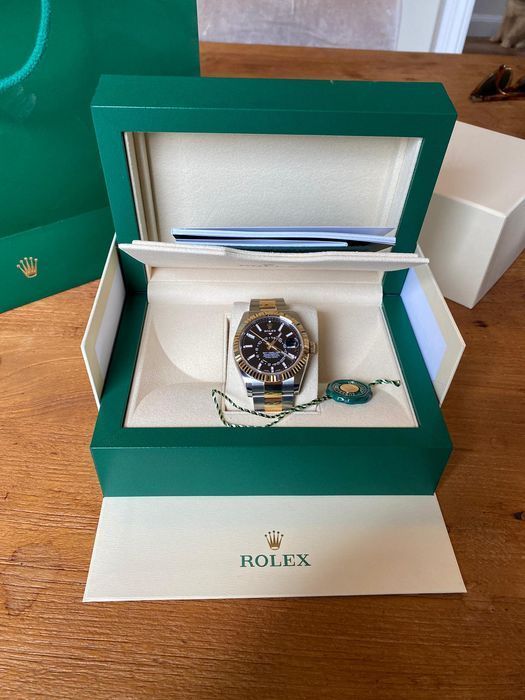
Luxury Watches
Popular brands that UK lenders will consider include:
Rolex (Submariner, Daytona, Datejust, GMT-Master, Oyster Perpetual)
Patek Philippe (Nautilus, Aquanaut, Calatrava)
Audemars Piguet (Royal Oak, Royal Oak Offshore)
Richard Mille, Cartier, Omega, TAG Heuer, Breitling, Hublot
Typical loan-to-value (LTV): 50–70%.
Valuation and storage can be arranged in 24–48 hours.
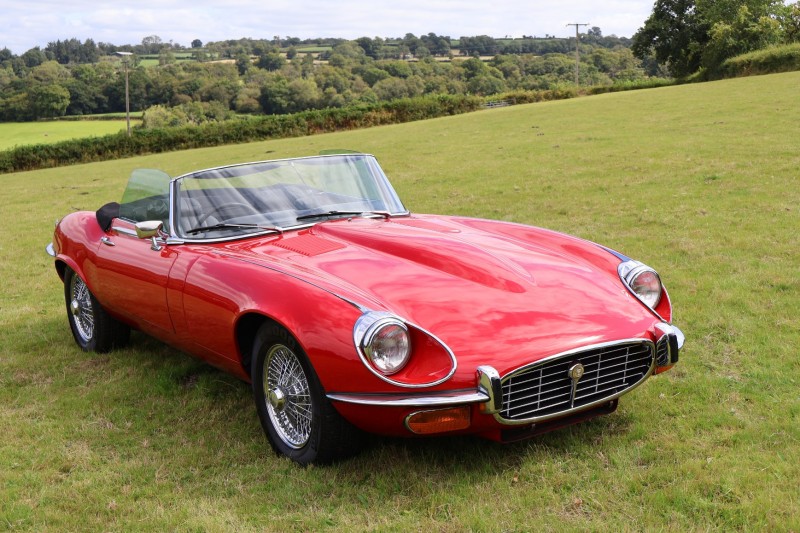
Supercars & Classic Cars
High-value vehicles are frequently used to secure loans, such as:
Ferrari (488, 812 Superfast, F40, classic models)
Lamborghini (Huracán, Aventador, Urus, Countach)
Porsche (911 Turbo, GT3 RS, Carrera GT, classic 356/964)
Aston Martin (DB11, Vantage, DB5)
McLaren, Bentley, Rolls-Royce, Maserati
Collectible classics (Jaguar E-Type, Mercedes SL, BMW M1)
LTV: 60–70% depending on rarity, age, and provenance.
Cars are stored in secure, climate-controlled facilities.
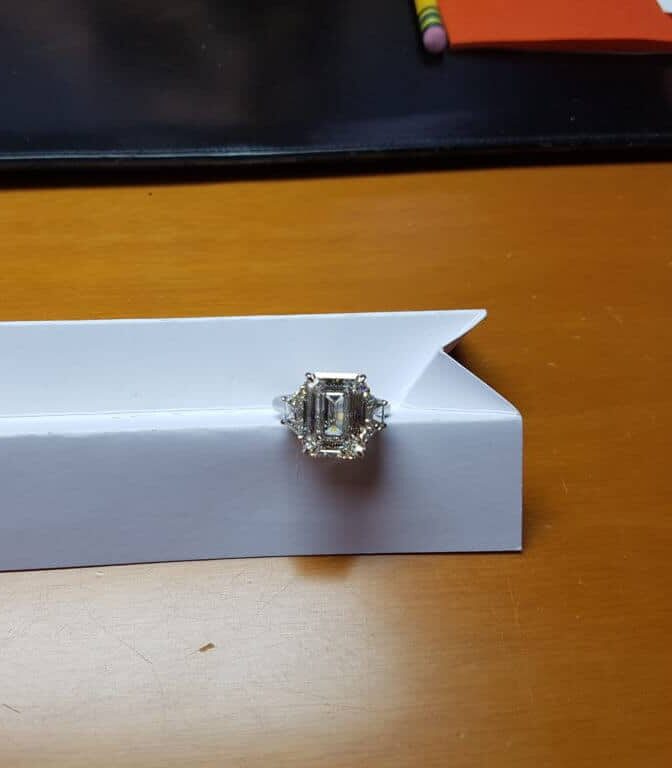
Fine Jewellery & Precious Stones
Loans can be secured against:
Diamond engagement rings and solitaires
Designer jewellery (Cartier, Van Cleef & Arpels, Bulgari, Tiffany & Co.)
Gold, platinum, and gemstone jewellery (rubies, emeralds, sapphires)
Antique and vintage collections
LTV: 50–60%.
Valuations are often fast, making jewellery one of the quickest assets to leverage.
Art & Collectibles
Eligible assets include:
Paintings by recognised artists (Banksy, Hockney, Warhol, Picasso, etc.)
Sculptures, antiques, and rare artefacts
Limited edition prints and signed works
Specialist collectibles (coins, stamps, rare manuscripts)
LTV: 40–60%, depending on market demand and authenticity.
Specialist valuation and authentication are usually required.

Other High-Value Collectibles
Increasingly, lenders also consider:
Wine Cellars: vintage and investment-grade collections (e.g. Bordeaux, Burgundy, Napa Valley).
Luxury Handbags: Hermès Birkin & Kelly, Chanel Classic Flap, Louis Vuitton special editions.
Rare Whiskies & Spirits: Macallan, Yamazaki, Glenfiddich limited editions.
Designer Furniture & Memorabilia: rare mid-century pieces, signed celebrity memorabilia.
Across all categories, assets must be:
Owned outright (no finance outstanding).
Provenanced (receipts, certificates, valuations).
In good condition and marketable.
This broader eligibility makes luxury asset finance flexible enough to serve businesses, entrepreneurs, high net worth individuals and private collectors alike.
How Does the Process Work?
The process is streamlined to deliver funds quickly:
Initial enquiry & asset list: borrower shares details of watches, cars, art, or jewellery.
Valuation: specialist appraisal to determine market value and achievable LTV.
Secure storage & insurance: lender arranges vaulting or storage to protect the asset.
Loan offer: terms issued, including loan amount, fees, and repayment schedule.
Funding released: often within 48–72 hours for watches and jewellery; longer for art.
This structure allows businesses and individuals to access short-term capital without the need for property security or lengthy underwriting.
Typical Terms & Costs
Luxury asset loans are designed to be short-term bridging tools rather than long-term finance. Typical structures include:
Loan-to-Value (LTV): usually between 50–70%.
Loan Terms: most run 3–24 months, with many settling in under 12.
Fees: valuation + arrangement, often built into the facility.
Exit Routes: repayment from business cashflow, refinance onto property, or voluntary sale of the asset.
What stands out most is speed, funding can often be released in a matter of days, compared to the weeks or months typical of bank-led lending.
Typical Uses of Luxury Asset Finance
For business owners and directors, luxury asset lending can provide the breathing space needed to:
Bridge short-term cashflow gaps.
Pay Corporation Tax or VAT without raiding working capital.
Fund acquisitions or buy-ins quickly.
Cover deposits for property refurbishment or development.
Access capital without PGs, debentures, or property charges.
It’s especially valuable for entrepreneurs whose wealth is tied up in both their business and personal collections.
Rather than selling assets, they can unlock liquidity and retain ownership.
Advantages and Risks
Advantages:
Speed: funding in days, not months.
Flexible: no need for property or PG security.
Confidential: discreet, private arrangements.
Ownership retained: asset returned on repayment.
Risks:
Costs are generally higher than property-backed lending.
Asset must be stored securely for the loan term.
Default could lead to the asset being sold.
Handled correctly, the risks are manageable, especially when the facility is structured with a clear repayment or refinance strategy.
Practical Steps for Businesses
If you’re considering this route:
List assets you may be able to use.
Gather provenance paperwork (receipts, certificates, appraisals).
Decide how long you realistically need the funding.
Compare luxury asset loans with other options like bridging or stock finance.
Speak to a specialist broker who can structure and negotiate on your behalf.
Conclusion
Luxury asset finance is no longer the preserve of private collectors, it’s a practical, fast-moving option for UK business owners who need short-term capital without risking property or cashflow.
Handled correctly, it can be a powerful tool to cover tax deadlines, fund acquisitions, or bridge trading cycles, all while keeping your prized possessions safe and intact.
Yes. Many UK lenders provide business loans secured against high-value watches, including Rolex, Patek Philippe, Omega, Audemars Piguet, and others. The watch must be owned outright and usually stored securely for the duration of the loan.
Yes. Premium watch brands such as Omega, Patek Philippe, Richard Mille, Cartier, and Breitling are widely accepted as collateral. This allows business owners to unlock capital without selling their timepieces.
Yes. Supercars and classic cars such as Ferrari, Lamborghini, Porsche, and Aston Martin are often used as security for business loans. Vehicles are placed in secure storage during the term of the loan until repayment.
Yes. Diamond rings, luxury jewellery (Cartier, Tiffany & Co., Bulgari, Van Cleef & Arpels), and gemstone pieces such as emeralds and sapphires can be used to secure a business loan. Valuations are typically quick, meaning funds can be released in days.
Yes. Fine art, signed works, and limited edition prints can be used to secure a business loan. Independent valuation and authentication are required, and loan-to-value (LTV) is typically 40–60%.
The loan amount depends on the asset’s appraised value and lender LTV. In the UK, typical LTVs are 50–70% for watches and cars, 50–60% for jewellery, and 40–60% for art and collectibles. A simple rule of thumb; if there is an active market for your item, with an easy re-sell value, then the LTV will generally be higher. The more specialised or niche the luxury item is, the lower the LTV will be.
Luxury asset loans are designed for speed. Watches and jewellery can often release funds within 48–72 hours of valuation. Cars and art may take slightly longer due to specialist appraisals.
If repayment isn’t made, and a suitable re-payment plan cannot be organised, the lender may sell the asset to recover the balance. This is why structuring a clear repayment or refinance plan is crucial when using luxury assets for business finance.