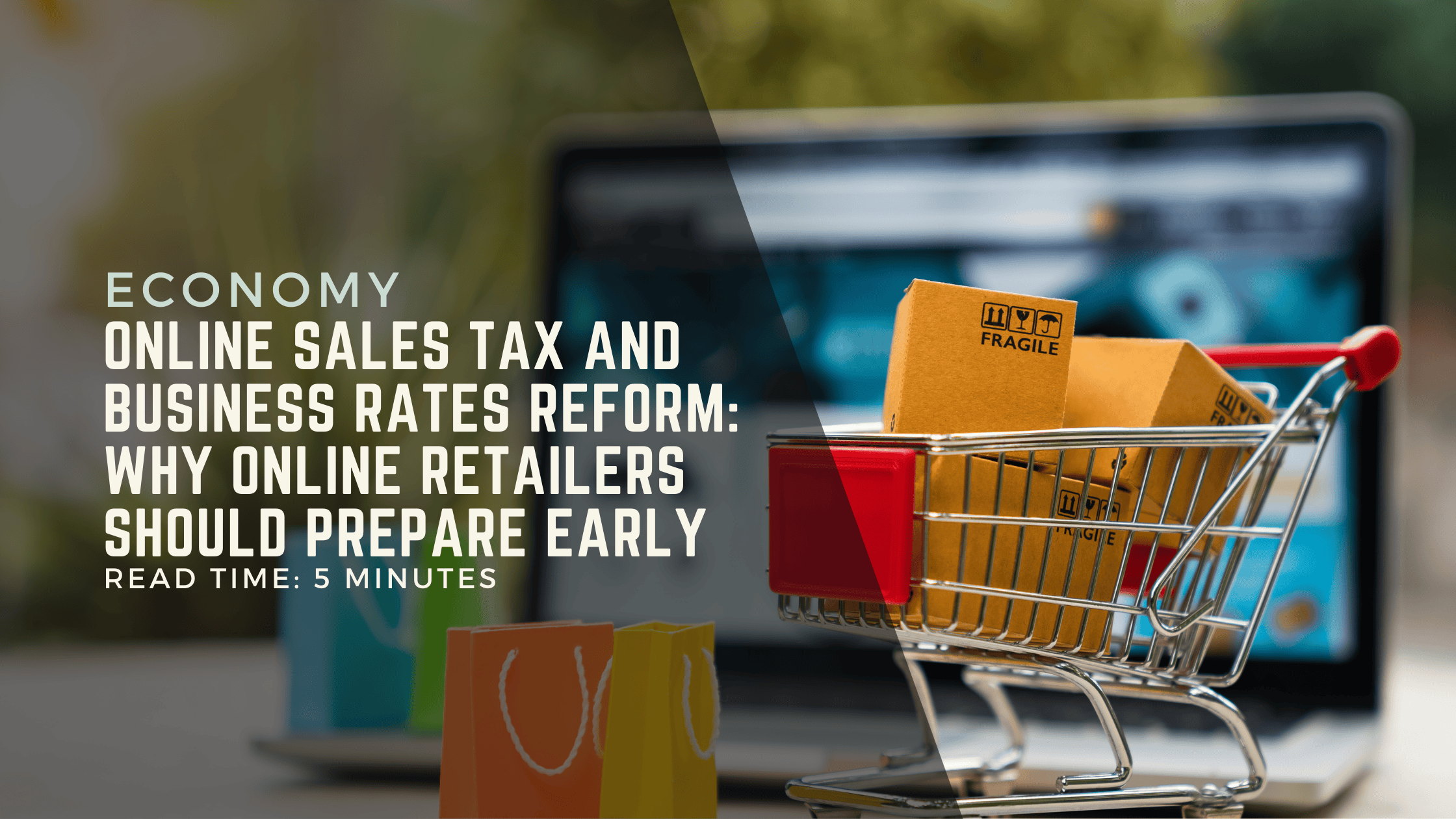
A coalition of retail lobby groups is pressing Sir Keir Starmer to support a new online sales tax as part of reforming the UK’s business rates system.
The proposal, reported by The Times, suggests a 2% levy on online sales, with proceeds used to fund a significant reduction in business rates for physical retailers. The language used by the groups involved is blunt: the current system is “fundamentally broken”.
For high-street businesses, this is being framed as overdue relief. For online retailers, it’s something else entirely: a reminder that the cost base of digital commerce is no longer politically invisible.
Why online retailers are now in the spotlight
For years, online retail benefited from a structural advantage. Lower fixed property costs, lighter exposure to business rates, and scalability that physical retail simply couldn’t match. That imbalance is now a political problem, especially from a government that is raising taxes left right and center.
As more consumer spend moves online, governments naturally start looking at where tax revenues are leaking relative to economic activity. A sales-based levy is an obvious lever, and one that doesn’t require businesses to be profitable before it bites.
That distinction matters. A 2% tax on revenue behaves very differently from corporation tax or even employer NICs. It scales immediately with sales, not with profit. For many online businesses, particularly those reinvesting heavily into growth, that means higher turnover can paradoxically increase short-term cash pressure.
As always, the real risk isn’t the tax, it’s timing
Even if a levy like this takes time to implement, the process creates friction long before the rulebook changes.
Consultations create uncertainty. Uncertainty feeds into lender risk models. And by the time policy is clarified, credit conditions often already have. We’ve seen this pattern repeatedly with tax changes, rate reforms, and regulatory shifts. Businesses that wait for final confirmation usually find they’re negotiating funding at precisely the wrong moment, when margins are under pressure and cashflow is tight.
What changes in practice if a sales levy arrives
This is where online retailers need to be realistic, not alarmist. A 2% levy doesn’t kill a good business. But it does alter the working capital equation.
In practice, it tends to show up as:
- tighter monthly liquidity despite stable or growing revenues
- more pressure around VAT quarters and supplier settlement cycles
- less tolerance for delays in receivables or platform payouts
None of those are existential on their own. They become problematic only when there’s no flexibility in the funding structure.
Why strong businesses should act first, not last
We say this often because it remains true across every cycle: the best funding terms are agreed when a business looks calm, profitable, and in control. Credit teams don’t just assess numbers, they assess behaviour.
A business that arranges facilities before it needs them signals discipline, foresight, and control. A business that waits until cash is tight signals the opposite, even if the underlying model is sound.
When you leave it to the last minute, what you’re effectively saying is:
“I’ve allowed cashflow pressure to build to the point that I’m now under strain.”
That is never when lenders sharpen their pencils.
Planning for change without overreacting
This isn’t about rushing to borrow. It’s about ensuring optionality exists when you need it.
The online retailers that navigate policy change best are rarely the ones scrambling after an announcement. They’re the ones that have already done the quiet work: facilities in place, headroom available, and funding aligned to how cash actually moves through the business, not how it looks on a P&L.
A common example is a revolving credit facility that doesn’t charge interest until funds are actually drawn. The facility sits there approved and available, without large monthly instalments quietly eating away at cashflow. If trading remains smooth, nothing is used. If a tax timing issue, margin squeeze, or short-term disruption appears, capital can be accessed immediately to smooth working capital rather than reacting under pressure.
If a sales levy never materialises, that preparation still pays off. If it does, it often becomes the difference between a temporary squeeze and a genuine constraint on growth, and between having options and being forced into decisions you wouldn’t otherwise make.
The broader takeaway for online businesses
Retail tax reform is unlikely to be a one-off event. The direction of travel is clear: governments are reassessing how digital commerce contributes to the tax base.
The businesses that continue to grow through that environment won’t be the ones reacting to headlines. They’ll be the ones that quietly prepared when trading was strong and balance sheets looked best.
If you’re an online retailer thinking about how potential policy shifts could affect your cashflow, now is the right time to have a grown-up conversation about funding, while you still have leverage.
The strongest finance structures are built in calm periods, not crisis moments.
Speak to Finspire Finance
If you’re running an online retail business and thinking about how potential tax changes or cost shifts could affect your cashflow, this is the right moment to look at your funding position properly, while trading is strong and options are widest.
We help businesses put flexible funding structures in place, from revolving credit facilities to working capital lines designed to sit quietly in the background and support growth when needed.
If you want a clear, realistic view of what funding could be available to your business, then speak to us today.
Whatsapp usEmail us